Overview
Aero Commander was an American light-aircraft manufacturer founded in Culver City, California in 1944 as the Aero Design and Engineering Company, best known in general aviation for its rugged high-wing Commander piston twins and the Turbo Commander turboprops that grew from them. It built aircraft under its own name until 1958, then continued as a division of Rockwell and later Gulfstream, with the final Commander turboprops leaving the line in the mid-1980s. The marque is long out of production, but the turboprop fleet remains actively supported by Twin Commander Aircraft LLC, today’s type-certificate holder.
Heritage
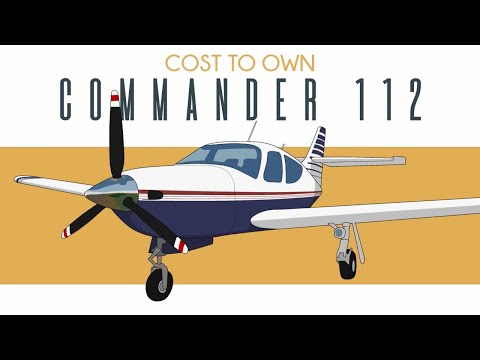
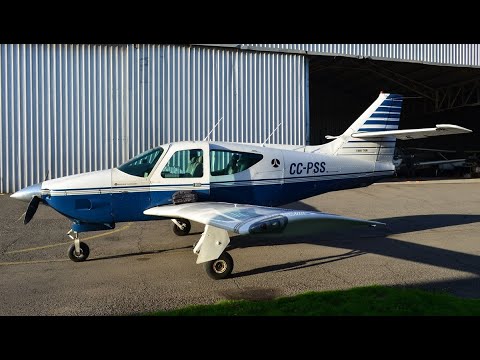
Ted R. Smith, a Douglas Aircraft engineer, gathered a group of former A-20 colleagues in 1944 to build a light twin transport, and the resulting Aero Commander prototype first flew on April 23, 1948. The company moved from California to a new factory at Bethany, Oklahoma, near Oklahoma City, and rolled out its first production Commander 520 in 1951. Through the 1950s and 1960s it broadened the piston-twin family across the 500, 520, 560, 680, and pressurized 720 Alti-Cruiser, added the Jet Commander 1121 business jet in 1963, and bought outside designs to fill a single-engine line: the 100, Darter, and Lark from Volaircraft and the 200 from Meyers. Rockwell-Standard acquired the firm in 1958 and folded it into what became North American Rockwell and then Rockwell International; antitrust pressure against selling the Jet Commander alongside Rockwell’s own Sabreliner forced that jet line’s sale to Israel Aircraft Industries in 1968, where it became the Westwind. Under Rockwell the Commander line was renewed at both ends: a clean-sheet single-engine family (the 200 hp Rockwell Commander 112 and 260 hp Commander 114, built at Bethany through the 1970s) and the turbine Commanders that carried the high-wing airframe from the early Turbo Commander 680 to the stretched Jetprop Commander 1000. Gulfstream Aerospace bought the Commander division in 1981 and wound down turboprop production by the mid-1980s.
Design Signature
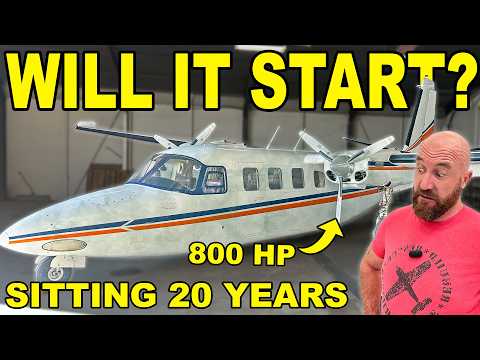
The Aero Commander signature was a high wing set atop a stout fuselage, a layout that gave passengers an unobstructed view, kept propellers and engines well clear of the ground, and carried the line intact from piston twins through turboprops. The family began with the piston Aero Commander 500 and grew into the stretched, cabin-class Aero Commander 680FL Grand Commander; when operators wanted more than the geared, supercharged piston engines could give, the same basic airframe took Garrett turboprop power as the Commander 690, the foundation of every later Jetprop and Gulfstream Commander. The aircraft earned a reputation for short-field capability and structural toughness uncommon in the executive-transport class.
For Owners
No Commander has been built since the mid-1980s, so every airframe trades on the used market, yet the turboprop fleet is unusually well supported for its age. Twin Commander Aircraft LLC, based in Creedmoor, North Carolina, holds the type certificate and runs a worldwide network of authorized service centers, factory-backed engineering and parts support, and the Grand Renaissance program that refurbishes high-time 690-series airframes to near-current condition. The piston twins are more of a specialist proposition: their geared, supercharged Lycoming engines and, on some variants, cabin pressurization call for shops with specific experience, and parts for the lower-production models can require fabrication or salvage sourcing. The sensible first move on any Commander, piston or turbine, is to confirm exactly which support channel and parts pool back that particular model.