Socata TBM-700/700A
Turboprop • single engine • Low Wing • Retractable gear
Range Visualization
Origin: · click map to move · nm at current load
Payload vs. Range
Customize assumptions
Default: 190 lbs (FAA standard)
Default: 30 lbs
Mission Profile
- High-Performance
- Complex
- High-Altitude
- Pressurization
- Instrument
About the Socata TBM-700/700A
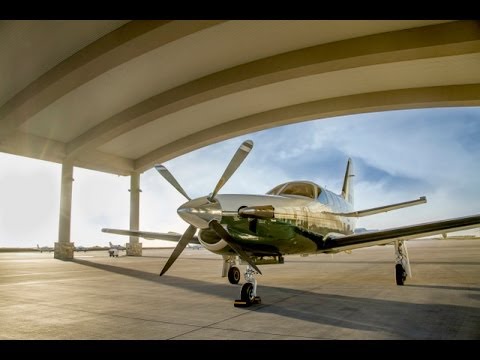
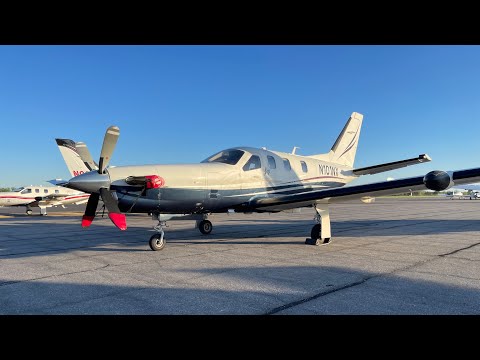
The Socata TBM 700 is the pioneer of the high-performance single-engine turboprop market. Developed as a joint venture between Socata and Mooney (the ‘M’ in TBM), it was designed to offer jet-like speeds with the efficiency and lower operating costs of a single turbine. For the GA buyer, it offers a massive step up in capability, allowing for genuine cross-country utility at speeds that rival light twin-turboprops.
Key Features for GA Buyers
- Speed and Altitude: With a 300-knot cruise speed and a 31,000 ft service ceiling, the TBM 700 allows owners to bypass most weather and complete 1,000+ nm trips in a single afternoon.
- Versatile Cabin: The 700B and later models introduced the large oversized cargo door, making it much easier to load bulky gear or bikes for weekend trips.
- Proven Powerplant: Powered by the legendary Pratt & Whitney PT6A-64, known for its exceptional reliability and global service network.
Trade-offs
- Cockpit Ergonomics: The cockpit is notably tight, especially for taller pilots, and entry for the pilot in models without the optional pilot door involves a somewhat awkward “climb” over the center console.
- Insurance & Training: Due to its high performance, insurance companies typically require initial and annual simulator-based training, and premiums can be significant for low-time turbine pilots.
- No Lavatory: Unlike some larger turboprop competitors (like the Pilatus PC-12), the TBM does not have a bathroom, which can be a limiting factor for longer-range missions with passengers.
Technical Specifications
Dimensions
- Wingspan
- 41.58 ft
- Length
- 34.92 ft
- Height
- 14.25 ft
- Parking area (ft2)
- 2059.07 ft2
Weights
- Max Takeoff Weight
- 6,579 lbs
- Max Landing Weight
- 6,217 lbs
- Useful Load
- 2,200 lbs
- Fuel Capacity
- 281 gal
Performance
- Cruise Speed
- 300 KTAS
- Never-Exceed (Vne)
- 266 KIAS
- Max Structural Cruise (Vno)
- 266 KIAS
- Approach Speed
- 80 KIAS
- Stall, Clean (Vs1)
- 61 KIAS
- Range
- 1150 NM
- Service Ceiling
- 31,000 ft
- Rate of Climb
- 1875 fpm
- Takeoff over 50 ft obstacle
- 2,133 ft
- Landing ground roll
- 1,840 ft
Similar to the Socata TBM-700/700A

E1000
Piper M600
See how the Socata TBM-700/700A stacks up against similar aircraft
External Media

Other Links
-
SOCATA TBM (Family Overview including 700/700A) - Wikipedia en.wikipedia.org
-
Quick Look: Socata TBM 700 - AOPA (Aircraft Owners and Pilots Association) www.aopa.org
-
SOCATA TBM 700A Specifications, Performance, and Range - Globalair.com www.globalair.com
-
Socata TBM-700A Overview and Performance - Jet Advisors jetadvisors.com