Beech BE-80 Queen Air
Piston • twin engine • Low Wing • Retractable gear
Range Visualization
Origin: · click map to move · nm at current load
Payload vs. Range
Customize assumptions
Default: 190 lbs (FAA standard)
Default: 30 lbs
Passengers
lbs
@ lbs / pax
0 lbs
Fuel on board
gal
+ Weight
Range
Available Range
/ nm
Mission capable —
Aircraft can handle the current load with full fuel tanks.
Fuel tradeoff required —
You'll need to leave gallons of fuel behind
( gal usable for nm range).
Over max gross weight —
Reduce payload by lbs
to safely operate this aircraft.
Mission Profile
Endorsements & ratings:
- High-Performance
- Complex
- High-Altitude
- Multi-Engine
196
KTAS
Cruise Speed
11
Occupants
716
nm
Max Range
2238
lbs
Wet Payload
About the Beech BE-80 Queen Air
Overview
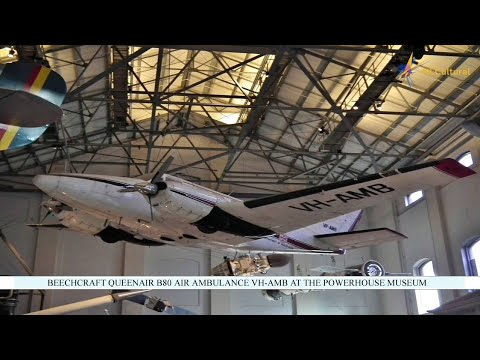
The Beechcraft B80 Queen Air represents the final and most capable iteration of the Queen Air series. Produced between 1966 and 1977, the B80 features the long-wing design and powerful supercharged engines that allow it to carry significant payloads over substantial distances. It served as the direct aerodynamic and structural bridge to the legendary King Air 90 turboprop.
Key Features for GA Buyers
- Impressive Payload. The B80 boasts a gross weight of 8,800 lbs, offering a useful load often exceeding 3,000 lbs, enough for a full cabin, bags, and significant fuel.
- Cabin Class Luxury. Features the hallmark walk-through cabin with an airstair door, typically configured with club seating for an executive feel that rivals modern turboprops.
- All-Weather Capability. Many B80s were equipped with full de-ice boots and radar, making them legitimate cross-country machines for professional or high-utilisation personal use.
- Proven Airframe. Known for its heavy-duty construction and high stability in turbulence, providing a “big airplane” feel for the pilot and passengers.
Trade-offs
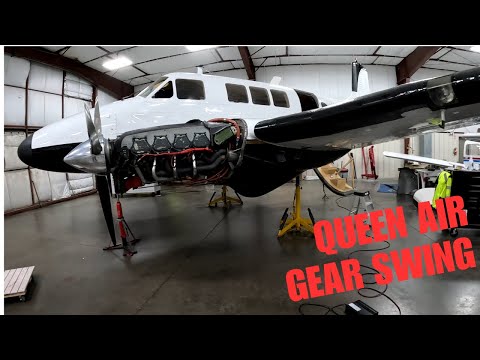
- Complex Powerplants. The Lycoming IGSO-540 engines are geared and supercharged. They require meticulous operation (gentle power changes) to avoid expensive gearbox failures and have a relatively short 1,200-hour TBO.
- High Fuel Consumption. Expect a total fuel burn of 40-44 GPH at typical cruise settings, which is significantly higher than naturally aspirated twins.
- Insurance Requirements. Due to the weight, complexity, and geared engines, insurance companies often require formal initial and recurrent training for pilots.
- Maintenance Intensity. As an older, complex airframe with supercharged engines, buyers should expect higher annual maintenance budgets compared to simpler twins like the Baron.
See Also
- Beechcraft Queen Air 65 – “Straight 65” line foundation; smaller wing, shorter range. Compare
- Beechcraft Queen Air 70 – hybrid 65/80 sibling with smaller engines on the long wing. Compare
- Beechcraft King Air 90 – direct turboprop development from B80 wings and airframe. Compare
- Beechcraft King Air 100 – next step up in the King Air evolution; longer fuselage, more cabin volume. Compare
- Cessna 421C Golden Eagle – pressurised geared-engine cabin-twin competitor. Compare
Technical Specifications
Dimensions
- Wingspan
- 50.25 ft
- Length
- 35.5 ft
- Height
- 14.5 ft
- Parking area (ft2)
- 2440.13 ft2
Weights
- Max Takeoff Weight
- 8,800 lbs
- Max Landing Weight
- 8,800 lbs
- Useful Load
- 3,522 lbs
- Fuel Capacity
- 214 gal
Performance
- Cruise Speed
- 196 KTAS
- Never-Exceed (Vne)
- 216 KIAS
- Max Structural Cruise (Vno)
- 191 KIAS
- Approach Speed
- 85 KIAS
- Stall, Clean (Vs1)
- 70 KIAS
- Range
- 716 NM
- Service Ceiling
- 26,800 ft
- Rate of Climb
- 210 - 1275 fpm
- Takeoff over 50 ft obstacle
- 2,556 ft
- Landing ground roll
- 2,572 ft
Similar to the Beech BE-80 Queen Air

Beech 65 Queen Air
Cruise
186 kts (lower than this aircraft)
Range
630 nm (lower than this aircraft)
Seats
9
Piston
twin engine
Low Wing
Compare
Beech 70 Queen Air
Cruise
186 kts (lower than this aircraft)
Range
755 nm (higher than this aircraft)
Seats
9
Piston
twin engine
Low Wing
Compare
See how the Beech BE-80 Queen Air stacks up against similar aircraft
External Media

Other Links
-
Wikipedia: Beechcraft Queen Air en.wikipedia.org
-
GlobalAir: Queen Air B-80 Specifications, Performance, and Range www.globalair.com
-
Aviation Week Archive: Queen Air Power and Performance Increased aviationweek.com
-
Aircraft Cost Calculator: Beechcraft Queen Air B80 Operating Costs www.aircraftcostcalculator.com
-
Beech Queen Air 80 Owner's Manual (Reproduction) www.pilotmall.com