Diamond DA40 NG
Piston single engine • Low Wing • Fixed gear
Range Visualization
• nm at current load
• click map to move • two fingers to move map
Payload vs. Range
Configure weights
Default: 190 lbs
Default: 30 lbs
Fuel on board
Extra weight
Range
Mission Profile
About the Diamond DA40 NG
Overview
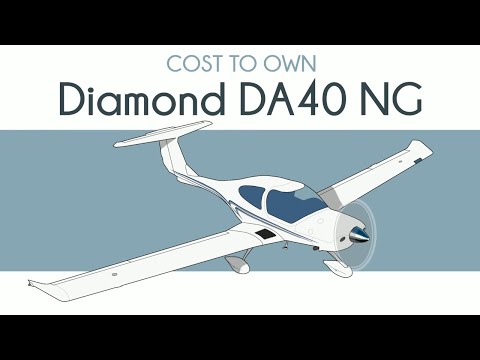
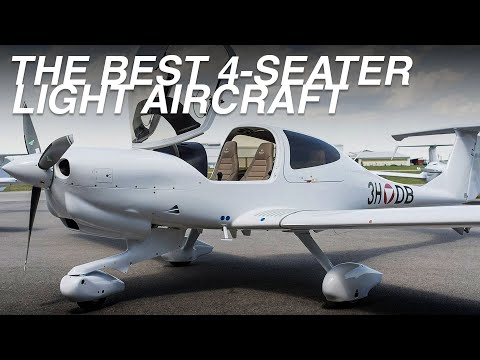
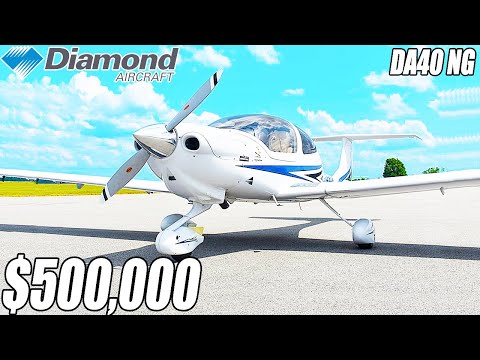
The Diamond DA40 NG is the diesel-powered version of Diamond Aircraft’s four-seat DA40 Diamond Star, a composite low-wing single produced from 2010 to the present. “NG” (New Generation) marks the switch to the 168-horsepower Austro AE300 turbocharged common-rail diesel, which burns Jet-A through a single-lever FADEC power control. It keeps the DA40’s glider-derived wing, bubble canopy, and T-tail, and is certified under EASA type certificate EASA.IM.A.022 (JAR-23 normal category).
Choose the DA40 NG when low fuel cost, worldwide Jet-A availability, and a benign safety record matter more than outright speed. It sits at the premium end of the four-seat training and personal-travel market – costlier to buy than a Cessna 172S Skyhawk or Piper Archer but far cheaper to feed, and a natural cross-shop against the AvGas Cirrus SR20 and its own gasoline Diamond DA40 XLT sibling for buyers weighing diesel against AvGas. Flight schools outside North America favor it where Jet-A is the only practical fuel; owners step up to the twin-engine Diamond DA42 Twin Star when they want two engines or more cabin.
Key Features for GA Buyers
- Jet-A economy. The Austro AE300 burns about 5.1 gph of Jet-A at economy cruise, a fraction of a comparable AvGas single’s fuel bill.
- Single-lever FADEC. Full-authority digital engine control gives one-lever power management with automatic mixture and propeller control, cutting pilot workload.
- Glass flight deck. Typically equipped with the Garmin G1000 NXi suite and GFC 700 autopilot.
- Composite safety record. The fail-safe composite airframe, energy-absorbing seats, and docile stall give the DA40 one of the lowest fatal-accident rates in general aviation.
Trade-offs
- Payload vs fuel. With the 39-gallon long-range tank full, cabin payload for four adults plus baggage gets tight.
- Modest climb. The roughly 690 fpm sea-level climb trails turbocharged or higher-powered competitors.
- Diesel reserve burden. The AE300’s overhaul reserve and gearbox service add a maintenance line the simpler Lycoming XLT avoids – the trade for the fuel savings.
- Cabin access. The step-over entry under the canopy is awkward for less-mobile passengers.
See Also
- Diamond DA40 XLT – the AvGas Lycoming sibling on the same airframe. Compare
- Cirrus SR20 – the other premium composite four-seater, AvGas with an airframe parachute. Compare
- Cessna 172S Skyhawk – the legacy aluminum trainer benchmark. Compare
- Diamond DA42 Twin Star – the twin-engine step-up in the Diamond line. Compare
Technical Specifications
Dimensions & Weights
- Height
- 6.5 ft
- Length
- 26.42 ft
- Parking area (ft2)
- 1513.5 ft2
- Max Takeoff Weight
- 2,888 lbs
- Max Landing Weight
- 2,822 lbs
- Useful Load
- 904 lbs
- Fuel Capacity
- Source: FAA Type Certificate Data Sheet 39 gal
Performance
- Cruise Speed
- Source: manufacturer figure 154 KTAS
- Never-Exceed (Vne)
- Source: FAA Type Certificate Data Sheet 172 KIAS
- Max Structural Cruise (Vno)
- Source: FAA Type Certificate Data Sheet 130 KIAS
- Approach Speed
- 71 KIAS
- Stall, Clean (Vs1)
- Estimated — derived, not a published figure 54 KIAS
- Range
- 940 NM
- Service Ceiling
- 16,400 ft
- Rate of Climb
- 630 - 690 fpm
- Takeoff over 50 ft obstacle
- 1,936 ft
- Landing ground roll
- 2,133 ft
Sources
Where the figures on this page come from. Diamond DA40 NG specifications are traced to published references; estimated values are flagged inline next to the figure.
Similar to the Diamond DA40 NG
Similar PistonsAero Commander 200
Beech 23 Sundowner
Beech 24 Sierra
See how the Diamond DA40 NG stacks up against similar aircraft
External Media
Report an inaccuracy
Spotted something wrong in the section? Tell us what's off and we'll review it.