Cessna T206
Piston • single engine • High Wing • Fixed gear
Range Visualization
Origin: · click map to move · nm at current load
Payload vs. Range
Customize assumptions
Default: 190 lbs (FAA standard)
Default: 30 lbs
Mission Profile
- High-Performance
- High-Altitude
About the Cessna T206
Overview
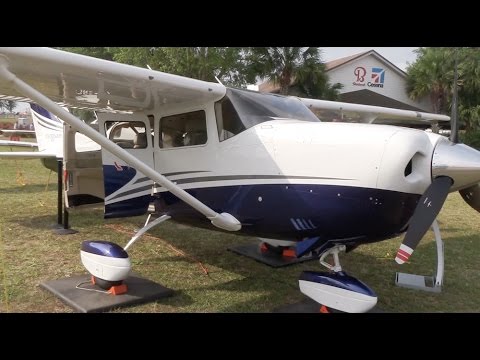
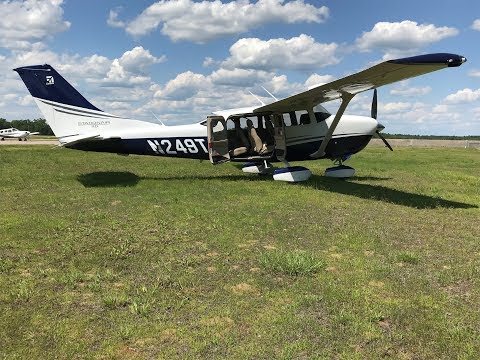
The Cessna T206 Turbo Stationair is the high-altitude sibling of the standard 206, trading some simplicity for the ability to maintain sea-level performance all the way to its 27,000 ft service ceiling. Powered by the 310 HP Lycoming TIO-540-AJ1A, the T206H is the ultimate “go anywhere, carry anything” piston single for pilots who need to clear mountain ranges or fly in high-density altitude environments without sacrificing the legendary ‘clamshell’ cargo utility of the Stationair airframe.
Key Features for GA Buyers
- Turbocharged Performance: Maintains 310 HP up to 20,000 feet, allowing for much faster cruise speeds (up to 164-175 KTAS) than the naturally aspirated version at altitude.
- Payload & Versatility: Known for its massive useful load (approx. 1,300 lbs), it remains one of the few aircraft that can actually carry 6 adults or a mix of heavy cargo and fuel.
- Utility Access: The massive rear double doors are a standout feature, making it easy to load stretchers, bikes, or large camping gear.
- Rugged Design: The heavy-duty fixed landing gear is ideal for rough strips and provides a stable platform for float or ski conversions.
Trade-offs
- Operating Costs: The turbocharged engine runs hotter and is more complex, leading to higher maintenance costs and shorter typical engine life if not managed carefully (despite the 2,000-hr TBO).
- High Fuel Flow: Expect fuel burns in the 16-20 GPH range when utilizing the turbocharger for high-speed cruise.
- No Pressurization: While it can fly at 26,000 feet, the cabin is unpressurized, necessitating the use of oxygen for pilot and passengers on high-altitude legs.
Technical Specifications
Dimensions
- Wingspan
- 36.0 ft
- Length
- 28.3 ft
- Height
- 9.3 ft
- Parking area (ft2)
- 1531.8 ft2
Weights
- Max Takeoff Weight
- 3,600 lbs
- Max Landing Weight
- 3,600 lbs
- Useful Load
- 1,343 lbs
- Fuel Capacity
- 92 gal
Performance
- Cruise Speed
- 164 KTAS
- Never-Exceed (Vne)
- 182 KIAS
- Max Structural Cruise (Vno)
- 149 KIAS
- Approach Speed
- 75 KIAS
- Stall, Clean (Vs1)
- 50 KIAS
- Range
- 703 NM
- Service Ceiling
- 27,000 ft
- Rate of Climb
- 1050 fpm
- Takeoff over 50 ft obstacle
- 1,740 ft
- Landing ground roll
- 735 ft
Similar to the Cessna T206

Beech Bonanza 36 (Turbo)

Cessna T210 Turbo Centurion
Piper M350
See how the Cessna T206 stacks up against similar aircraft
External Media



Other Links
-
Wikipedia: Cessna Turbo 206H - Technical Development and Performance en.wikipedia.org
-
Textron Aviation: Turbo Stationair HD - Performance, Weights, and Range cessna.txtav.com
-
AOPA Pilot: Cessna Turbo 206 - A Utility Hauler Gets a Front-Office Makeover www.aopa.org
-
Aircraft Cost Calculator: Cessna T206H Ownership Price & Operating Costs www.aircraftcostcalculator.com
-
Aviation Consumer: Cessna 206 Turbo Stationair Review & Market Analysis aviationconsumer.com