Cessna 208 Caravan 675
Turboprop single engine • High Wing • Fixed gear
Range Visualization
· nm at current load
· click map to move · two fingers to move map
Payload vs. Range
Configure weights
Default: 190 lbs
Default: 30 lbs
Fuel on board
Extra weight
Range
Mission Profile
- • High-Performance
About the Cessna 208 Caravan 675
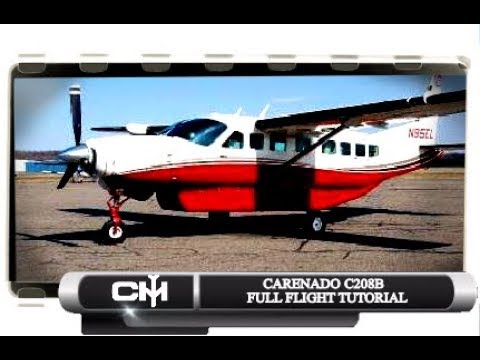
The Cessna 208 Caravan (specifically the 675 variant) is the gold standard for utility turboprops. Often referred to as the ‘675’ because of its uprated Pratt & Whitney PT6A-114A engine, this short-body version offers the best takeoff and climb performance in the original Caravan line. While it lacks the extra four feet of fuselage found on the Grand Caravan, it remains a favorite for extreme short-field operations and skydiving centers.
Key Features for GA Buyers
- Legendary Reliability: The PT6A engine is one of the most trusted powerplants in aviation history, offering peace of mind for over-water or remote wilderness flights.
- Versatile Hauler: Can be equipped with a large belly cargo pod (84 cubic feet) to keep the main cabin clear for passengers or gear.
- Rugged Simplicity: The fixed tricycle gear is nearly bulletproof, designed to handle grass, gravel, and rough strips with ease.
- Multi-Mission Capable: Easily converted between executive seating, high-density commuter, or full-cargo configurations in just a few hours.
Trade-offs
- Not a True STOL: While excellent for a 4-ton aircraft, it can be outperformed in ultra-short fields by purpose-built machines like the PAC 750XL or Kodiak 100.
- Unpressurized: Limits comfortable cruise to 10,000–12,000 feet; supplemental oxygen is required for higher-altitude efficiency.
- Speed vs. Size: It is a ‘brick’ in the sky; you trade aerodynamic efficiency for massive internal volume and ease of loading.
Featured in our buying guides
Technical Specifications
Dimensions & Weights
- Height
- 14.8 ft
- Length
- 37.6 ft
- Parking area (ft2)
- 2645.46 ft2
- Max Takeoff Weight
- 8,000 lbs
- Max Landing Weight
- 7,800 lbs
- Useful Load
- 3,305 lbs
- Fuel Capacity
- 332 gal
Performance
- Cruise Speed
- 186 KTAS
- Never-Exceed (Vne)
- 175 KIAS
- Max Structural Cruise (Vno)
- 150 KIAS
- Approach Speed
- 79 KIAS
- Stall, Clean (Vs1)
- 61 KIAS
- Range
- 1070 NM
- Service Ceiling
- 25,000 ft
- Rate of Climb
- 1234 fpm
- Takeoff over 50 ft obstacle
- 2,055 ft
- Landing ground roll
- 1,625 ft
Similar to the Cessna 208 Caravan 675
Similar TurbopropsPacific Aerospace P-750 Xstol
Quest Kodiak
See how the Cessna 208 Caravan 675 stacks up against similar aircraft
External Media



Other Links
-
Wikipedia: Cessna 208 Caravan - History, Variants, and Design en.wikipedia.org
-
SafeFly: Ultimate Guide to Cessna 208 Features and Operating Costs (2026) safefly.aero
-
SKYbrary Aviation Safety: CESSNA 208 Caravan Technical Data skybrary.aero
-
NASA IMPACT: Cessna 208 Grand Caravan for Atmospheric Research impact.earthdata.nasa.gov
-
Textron Aviation: The Official History of the Cessna Brand txtav.com