Dornier 328 Series
Turboprop • twin engine • High Wing • Retractable gear
Range Visualization
Origin: · click map to move · nm at current load
Payload vs. Range
Customize assumptions
Default: 190 lbs (FAA standard)
Default: 30 lbs
Mission Profile
- High-Performance
- Complex
- High-Altitude
- Pressurization
- Multi-Engine
- Instrument
About the Dornier 328 Series
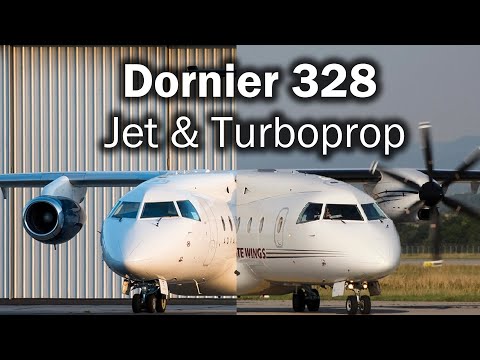
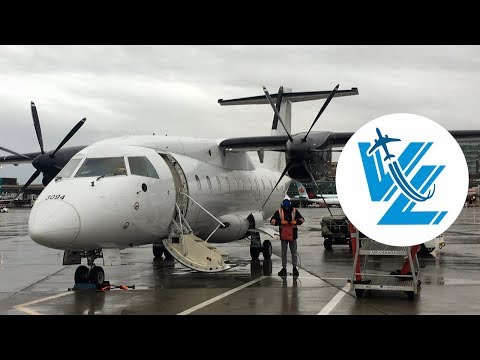
The Dornier 328 Turboprop is a high-speed, 30-seat regional airliner that bridges the gap between traditional prop efficiency and jet-like performance. Designed with a supercritical wing and a streamlined fuselage, it is famously one of the fastest turboprops in its class, often referred to as a ‘jet with props.’ For GA brokers and corporate buyers, it represents a high-capacity executive shuttle or a rugged special-missions platform.
Key Features for GA Buyers
- Speed and Efficiency: Cruising at 335 knots, it significantly outperforms typical regional props like the ATR 42 or Dash 8 in speed while maintaining lower fuel burns than regional jets.
- Cabin Experience: Features a ‘stand-up’ cabin (6‘2”) and 3-abreast seating, offering more shoulder room and a more ‘airliner’ feel than smaller corporate turboprops.
- Short-Field Capability: Excellent performance on shorter runways, making it viable for regional airports that cannot accommodate larger jets.
- Modern Avionics: Most are equipped with Honeywell Primus 2000 digital glass cockpits, providing high reliability and situational awareness.
Trade-offs
- Wing Configuration: Despite the initial JSON data, this is a High Wing aircraft. While this provides great ground clearance for unpaved strips, it results in a narrower landing gear track (housed in fuselage sponsons) which requires more attention during crosswind landings.
- Operating Cost: While fuel-efficient for its size, maintenance on the specialized Dornier airframe and P&WC PW119 engines can be higher than more common regional platforms.
- Market Rarity: With only ~217 turboprops built, parts sourcing and specialized mechanic availability may require more effort than with more ubiquitous models.
Technical Specifications
Dimensions & Weights
- Length
- 69.67 ft
- Parking area (ft2)
- 5884.0 ft2
- Max Takeoff Weight
- 30,842 lbs
- Max Landing Weight
- 29,167 lbs
- Useful Load
- 14,638 lbs
- Fuel Capacity
- 1057 gal
Performance
- Cruise Speed
- 335 KTAS
- Never-Exceed (Vne)
- 335 KIAS
- Max Structural Cruise (Vno)
- 320 KIAS
- Approach Speed
- 115 KIAS
- Stall, Clean (Vs1)
- 85 KIAS
- Range
- 1000 NM
- Service Ceiling
- 31,100 ft
- Rate of Climb
- 2600 fpm
- Takeoff over 50 ft obstacle
- 3,576 ft
- Landing ground roll
- 3,838 ft
See how the Dornier 328 Series stacks up against similar aircraft
External Media
Other Links
-
Wikipedia: Dornier 328 (Program History & Variants) en.wikipedia.org
-
AeroCorner: Dornier 328 History, Technical Data & Photos aerocorner.com
-
SKYbrary Aviation Safety: Fairchild Dornier 328 Technical Profile skybrary.aero
-
Deutsche Aircraft: The Legacy of the 328 and the D328eco Future www.deutscheaircraft.com
-
D328eco: Modern Technical Specifications & Performance Data www.d328.eco